A quiet look at the fats we cook with each morning — ghee, olive oil, cold-pressed avocado — and what makes each one worth keeping close.
For most of the last generation, dietary fat was the thing to be feared. Pantries emptied of butter. Cooking became an exercise in avoidance. What returned to fill the space was, in many cases, worse for us — cheap seed oils, added sugar, and a general anxiety around eating that lingers still.
A quieter conversation has been unfolding for some years now, in nutrition research and in kitchens. It is less about villains and heroes than about specifics: which fats, in what state, cooked how, and eaten alongside what else.
The pantry, considered
Olive oil, especially extra-virgin, remains the most extensively studied fat in the modern nutritional literature. Its association with cardiovascular and metabolic health has held up across decades of observation. It rewards a cold drizzle at the end of cooking as much as gentle heat during it.
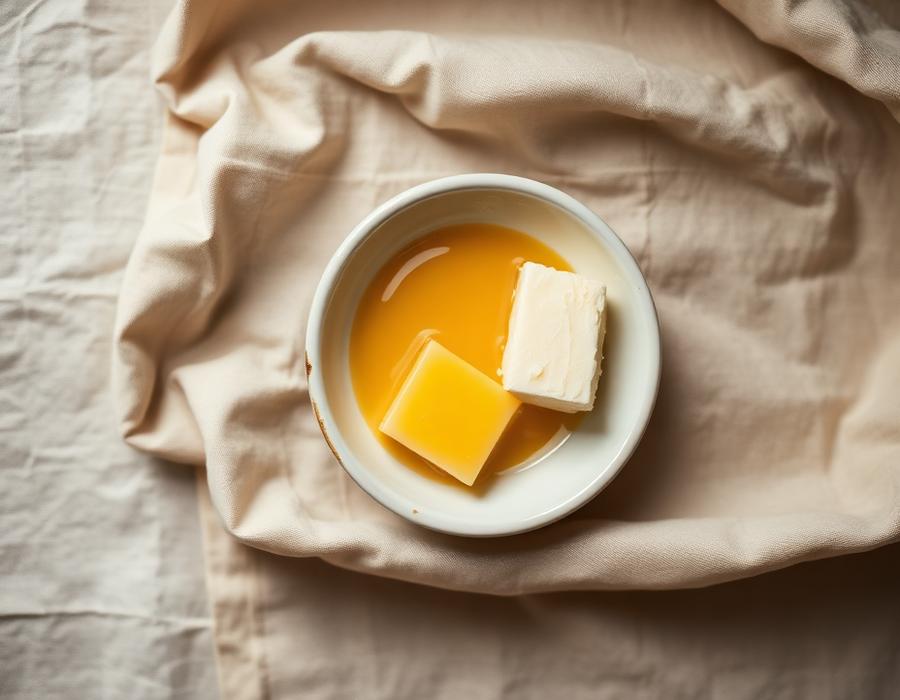
Ghee and butter, from grass-fed sources where possible, have moved back into serious kitchens after a long absence. Their smoke point makes them useful for higher-heat cooking, and their flavor is worth the small effort of sourcing well.
Avocado oil, cold-pressed rather than refined, has become a household staple for many readers — a neutral, stable fat with a high smoke point and a light finish.
What patience teaches
The most useful shift, in our editors' experience, has less to do with any single ingredient and more with a slower rhythm at the stove. A fat well chosen and well used is a small daily kindness — one you notice most when you stop paying attention to it.
This piece is educational in nature and does not constitute medical or nutritional advice. Please read our Health Disclaimer.